Sparrow SAQT is a static analysis solution designed to improve software quality by detecting vulnerabilities and issues within source code. It supports over 25 major programming languages and frameworks, and helps organizations comply with global quality standards and regulations.
2. Which programming languages does Sparrow SAQT support?
Sparrow SAQT supports a wide range of languages including Java, JSP, C/C++, C#, Python, Swift, Rust, Go, TypeScript, Objective-C, and Kotlin, among others. This makes it versatile for use in diverse development environments.
3. How does Sparrow SAQT enhance analysis efficiency?
The tool utilizes features such as incremental analysis, which only analyzes newly added or modified files to save time. It also provides real code-based remediation guides and advanced issue filtering to streamline the vulnerability review process.
4. What are the key features of Sparrow SAQT’s dashboard?
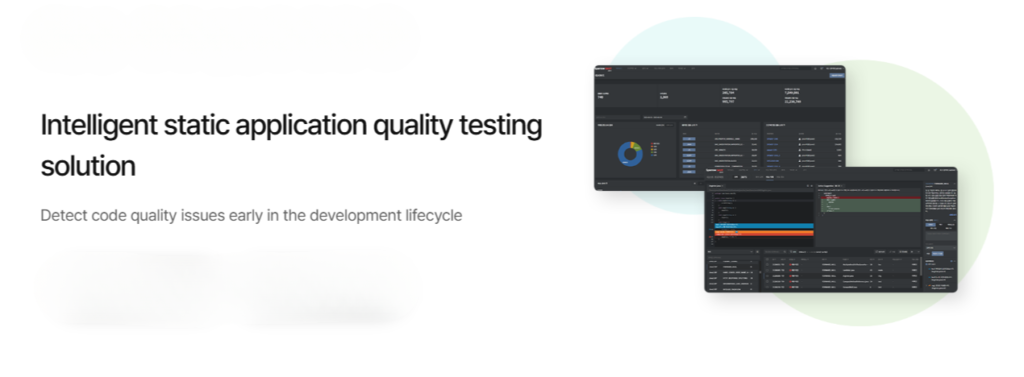
The web-based centralized dashboard displays comprehensive details such as analysis summaries, detected issues, risk levels, project statistics, user statistics, and compliance tracking. It also provides trends and history of analysis results.
5. Can Sparrow SAQT integrate with other development tools?
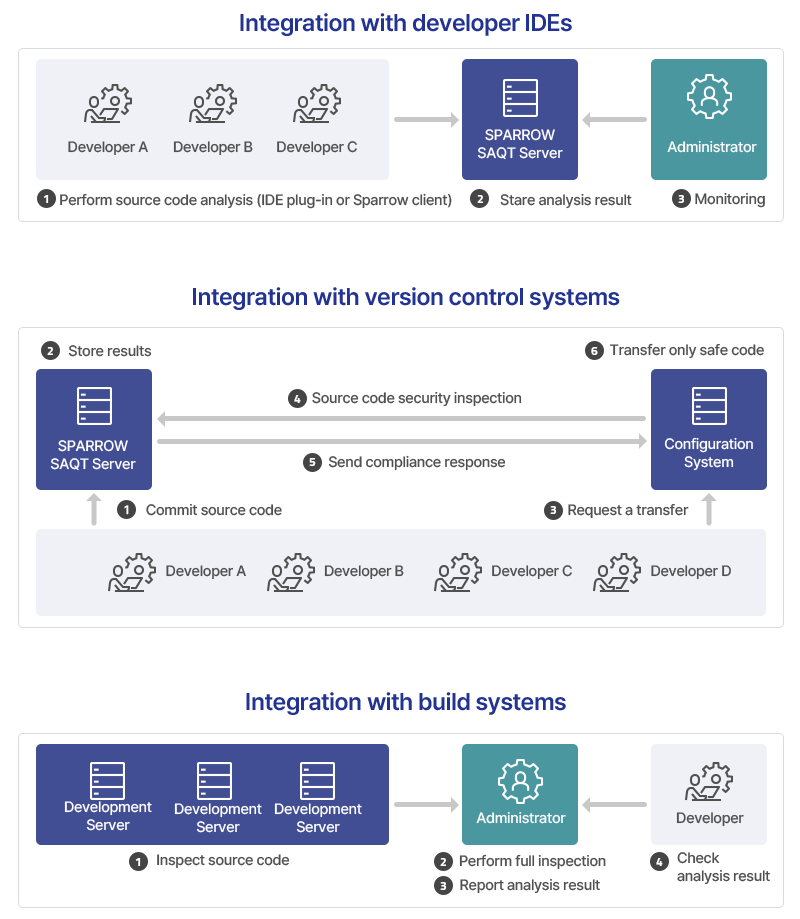
Yes, Sparrow SAQT can integrate with source code version control systems and development environments. It also enables automated analysis through integration with build management tools (Continuous Integration) and Issue Tracking Systems.
6. How does Sparrow SAQT manage and report vulnerabilities?
The solution features an issue navigator to trace vulnerabilities from their origin, automated classification of vulnerabilities, and customizable reporting options (PDF, Excel, Word, HWP). It distinguishes new issues from old, even if source code lines change, and prevents unauthorized changes through an exception request/approval process.